
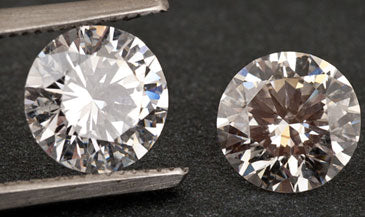
Diamonds have fascinated people for centuries with their stunning sparkle and durability. With the rise of technology, lab-grown diamonds have become an increasingly popular choice for buyers seeking beautiful, ethical, and affordable alternatives to natural diamonds. One key aspect that determines the beauty and brilliance of any diamond—natural or lab-grown—is its cut.
In this article, we’ll dive deep into lab-grown diamonds, what makes them special, and explore the most popular diamond cuts, why they matter, and how lab-grown diamonds can be just as breathtaking as their natural counterparts.
What Are Lab-Grown Diamonds?
Lab-grown diamonds, also known as synthetic or man-made diamonds, are created in a laboratory environment under controlled conditions. They share the exact same chemical, physical, and optical properties as natural diamonds. Composed of pure carbon in a crystal lattice, lab-grown diamonds are genuine diamonds — just made in a different way.
How Are Lab-Grown Diamonds Made?
There are two main methods:
-
High Pressure High Temperature (HPHT): Mimics natural formation by applying intense pressure and heat to carbon.
-
Chemical Vapor Deposition (CVD): Deposits carbon atoms layer-by-layer onto a substrate in a vacuum chamber.
Both methods lab grown diamonds cuts that can be cut and polished just like natural diamonds.
Why the Cut of a Diamond Matters
The cut of a diamond refers to how well a diamond’s facets interact with light. The cut is crucial because it affects a diamond’s brilliance (brightness), fire (dispersion of light into colors), and scintillation (sparkle when the diamond or light moves).
A well-cut diamond, whether lab-grown or natural, will maximize light performance and look more dazzling.
Important note: The cut is the only “C” of the 4Cs (Cut, Color, Clarity, Carat) that is controlled by human hands. The others are inherent characteristics of the diamond.
Common Lab-Grown Diamond Cuts
Lab-grown diamonds can be fashioned into any cut that natural diamonds are cut into. The choice of cut is typically based on personal style, the type of jewelry, and budget. Here are some of the most popular diamond cuts you’ll find in lab-grown diamonds:
1. Round Brilliant Cut
-
Description: The classic and most popular diamond cut. It has 58 facets designed to maximize brilliance.
-
Why Popular: Offers the most sparkle and light return. Works well in all jewelry types.
-
Ideal For: Engagement rings, earrings, pendants.
2. Princess Cut
-
Description: Square or rectangular shape with sharp corners, combining brilliance and modern style.
-
Why Popular: Known for sharp lines and excellent sparkle, but slightly less than round cuts.
-
Ideal For: Engagement rings and fashion rings.
3. Cushion Cut
-
Description: Rounded corners and larger facets that increase brilliance. Looks like a square with softened edges.
-
Why Popular: Vintage appeal combined with modern brilliance.
-
Ideal For: Engagement rings, vintage-style jewelry.
4. Emerald Cut
-
Description: Rectangular with step-cut facets creating a “hall of mirrors” effect.
-
Why Popular: Offers elegance and clarity; highlights color and clarity over sparkle.
-
Ideal For: Sophisticated, classic jewelry designs.
5. Oval Cut
-
Description: Elliptical shape that elongates the finger.
-
Why Popular: Brilliant like a round cut but with a unique shape.
-
Ideal For: Engagement rings and pendants.
6. Radiant Cut
-
Description: Combines the brilliance of a round cut with the shape of an emerald cut.
-
Why Popular: Sparkly and versatile with trimmed corners.
-
Ideal For: Rings and earrings.
7. Marquise Cut
-
Description: Football-shaped, elongated cut that maximizes carat weight appearance.
-
Why Popular: Unique shape and dramatic sparkle.
-
Ideal For: Statement rings and vintage designs.
8. Pear Cut
-
Description: Teardrop-shaped combining round and marquise cuts.
-
Why Popular: Feminine and elegant with great sparkle.
-
Ideal For: Pendants and earrings.
How Lab-Grown Diamond Cuts Compare to Natural Diamonds
Because lab grown diamonds have the same physical properties as natural diamonds, they can be cut and polished to the same standards. This means:
-
Cut Precision: Lab diamonds can be cut with precision to maximize sparkle.
-
Variety: They are available in all traditional and modern cuts.
-
Quality: They can achieve excellent or ideal cut grades from certification labs like GIA or IGI.
-
Cost Advantage: Because lab diamonds are less expensive, buyers can often afford better cuts or larger stones.
Tips for Choosing a Lab-Grown Diamond Cut
-
Consider Sparkle: If brilliance is your priority, round brilliant or radiant cuts are excellent choices.
-
Style Preference: For a vintage or softer look, cushion or pear cuts are great options.
-
Finger Shape: Oval and marquise cuts can elongate the finger, enhancing your hand’s appearance.
-
Budget: Princess and cushion cuts often offer great value with beautiful sparkle at lower prices.
-
Jewelry Type: Some cuts work better in certain settings (e.g., emerald cuts suit solitaire rings).
Certification and Quality Assurance for Lab-Grown Diamonds
Just like natural diamonds, lab-grown diamonds can be certified by respected gemological laboratories such as:
-
GIA (Gemological Institute of America)
-
IGI (International Gemological Institute)
-
GCAL (Gem Certification and Assurance Lab)
These certificates provide details on cut grade, clarity, color, and carat weight, helping you make an informed choice.
Conclusion
Lab-grown diamonds offer a stunning, ethical, and budget-friendly alternative to natural diamonds. The cut of the diamond remains one of the most critical factors affecting its beauty, regardless of origin. Thanks to advanced technology, lab-grown diamonds can be crafted into any classic or modern cut, delivering exceptional sparkle and brilliance.
Whether you prefer the timeless round brilliant or a unique pear shape, lab-grown diamonds allow you to find a gem that perfectly matches your style without compromising on quality or ethics.